
AC destination charging
AC Level 2 EV ChargerFor longer stays.
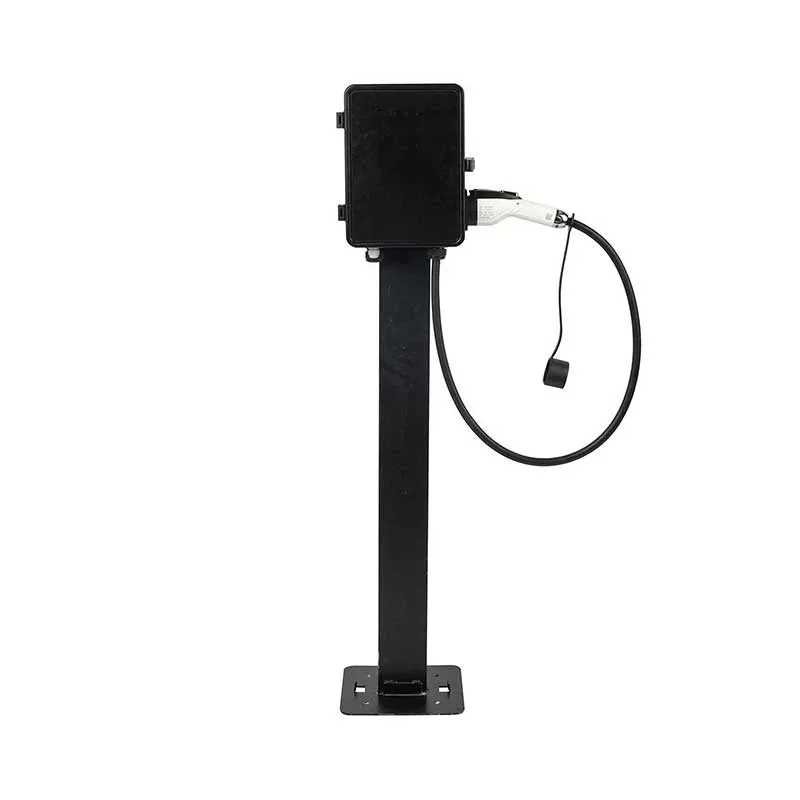
For vehicles that stay longer. Plan workplace, residential and overnight fleet charging around the available service, vehicle compatibility and parking duration.
View specifications- Equipment format
- Wall, pedestal or pole
- Selection focus
- Service voltage & vehicle inlet
Application fit
Built into the right operating plan.
Workplace · Residential · Overnight fleets. Selection depends on the site’s electrical conditions and the actual vehicle-use pattern.
Make dwell time useful
Match the available charging window to the energy the vehicles need, rather than selecting by the largest output alone.
Plan a bank of bays
Review feeder capacity, bay count and model-supported load management together.
Choose the right access
Compare open use, RFID and network-managed variants against the way the site operates.
Technical selection
Know what you are specifying.
These are configuration references. The current model datasheet and written scope determine the equipment supplied.
Swipe to view the full specification table →
| Parameter | Selection reference | Confirm for your project |
|---|---|---|
| Product range reference | 7 kW single-phase; 11–22 kW three-phase regional variants | These are different electrical-market variants, not one universal U.S. Level 2 rating. |
| U.S. electrical fit | 208/240 V AC Level 2 service | Confirm the proposed model’s current, output and applicable listing for the site. |
| Connector | Model- and market-specific | Confirm vehicle inlet compatibility; a Type 2 photograph does not establish a U.S. connector option. |
| Cable & mounting | 5–7 m cable reference; wall, pedestal or pole | Confirm reach, accessibility, impact protection and supplied mounting hardware. |
| Access & management | Open use, RFID, app or network-managed variants | Confirm available OCPP version, backend compatibility and load-management functions. |
| Enclosure & protection | Rating confirmed in the selected model datasheet | Review outdoor exposure, installation manual and required protection. |
| Order evidence | Model-specific datasheet, listing/safety documents and warranty | Document availability and the exact supplied configuration belong in the quotation. |
Project inputs
Three checks before selection.
Use the project’s actual conditions to define a compatible configuration with your installer or engineer.
Parking pattern
Bay count, daily energy requirement and the time vehicles remain parked.
Electrical service
Voltage, spare capacity, feeder layout and any existing load-management system.
Vehicle & access
Vehicle inlet types, cable reach, user authentication and billing needs.
Quality & production evidence
Quality should be traceable.
Review the evidence for the proposed equipment, from assembly and routine testing to the documents supplied with the order.
Parameters that match
Confirm model identity, rated input/output, connector, enclosure, cable limits and protection against the current datasheet.
Factory & functional records
Agree which assembly, routine electrical, protection and functional test records are available for the selected model.
Documents that apply
Review applicable safety/listing evidence and backend compatibility for the exact hardware, firmware and destination.
A defined delivery package
Confirm serial identification, manuals, accessories, commissioning information, packing records and warranty terms.
Certification logos or a product photograph are not a substitute for model-specific documentation. Requested records and test scope are confirmed in the written quotation.
Production & supply scope
Define the package.
Keep it accountable.
The hardware, accessories and supporting records should describe the same selected configuration.
Our service & quality approach ↗- 01
Before production or allocation
Confirm model, power tier, connector, quantities, site interfaces and the requested document list.
- 02
Before dispatch
Review the agreed test records, identification, accessories, packing information and delivery terms.
- 03
For commissioning & operation
Confirm installation and operating manuals, backend access where included, maintenance information, warranty and support arrangements.
Practical answers
Before you specify.
Resolve the details that affect compatibility, operation and the final supply scope.
Is the highest AC output always the best choice?
No. The vehicle’s onboard charger, electrical service and parking duration limit useful charging power. Select the regional model against all three.
Are 11–22 kW three-phase variants U.S. Level 2 products?
They are regional AC options. For a U.S. project, confirm the exact 208/240 V model, connector, rated current and applicable listing rather than assuming a three-phase variant is interchangeable.
Can several chargers share a feeder?
Where the selected hardware and backend support managed charging, allocation can be reviewed against the available capacity. Confirm the actual control functions before ordering.
Can charging be coordinated with solar and storage?
Yes, as a project-specific electrical and controls design. Review metering, operating priorities and compatible interfaces with the installer or engineer.
What needs to be confirmed before shipment?
The model, electrical rating, connector, mounting accessories, documents, availability, warranty and delivery terms are confirmed in the written quotation.
Compare another format
Explore the charging range.
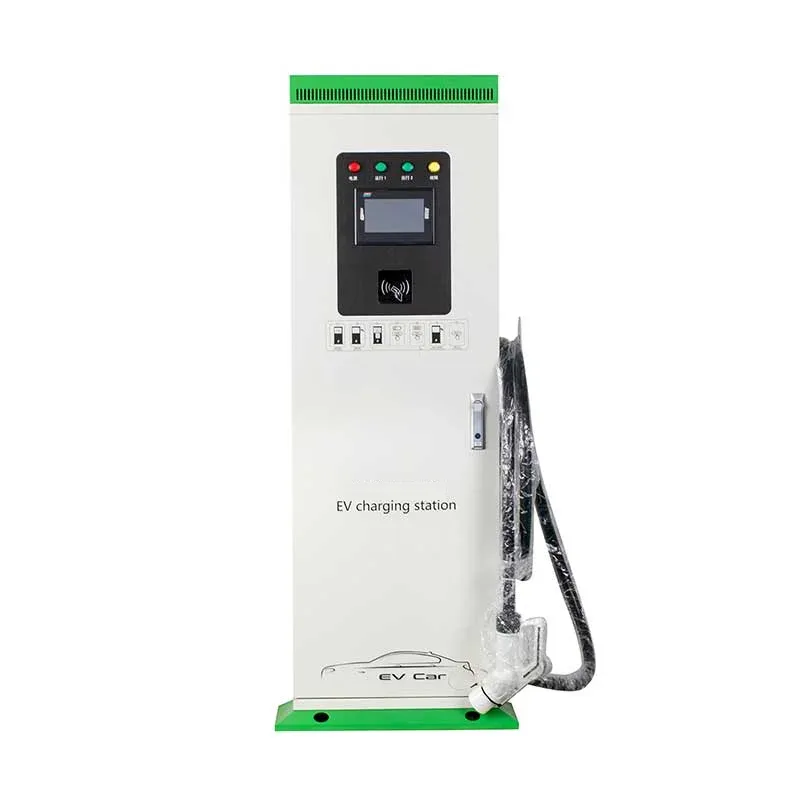
Compact DC fast charging
DC Fast Charger
30–80 kW
Retail · Dealerships · Fleet top-ups
Explore equipment ↗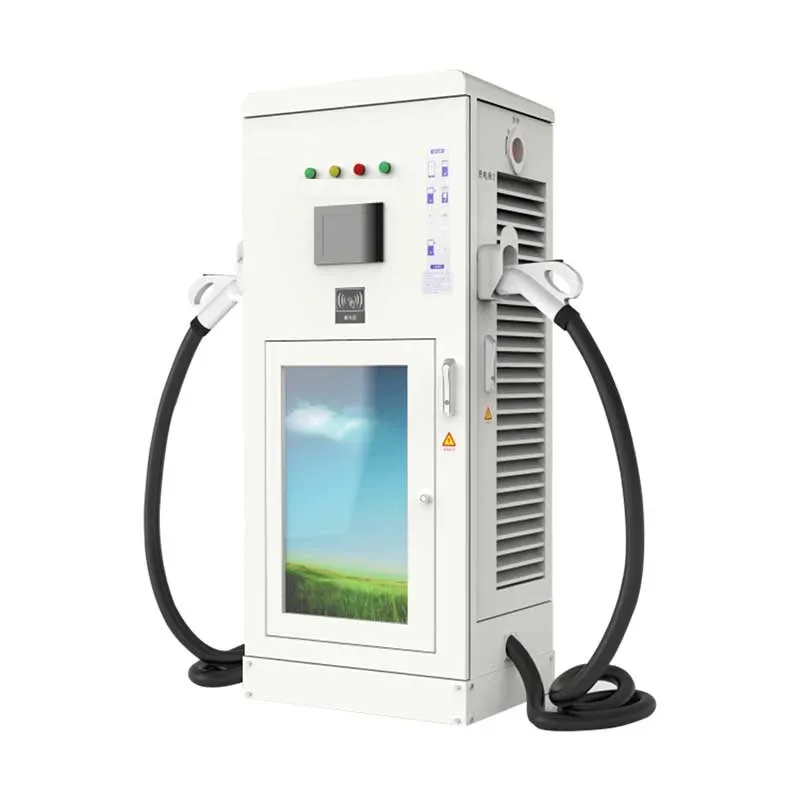
Higher-output DC charging
DC Fast Charger
120–180 kW
Busy commercial bays · Fleet hubs
Explore equipment ↗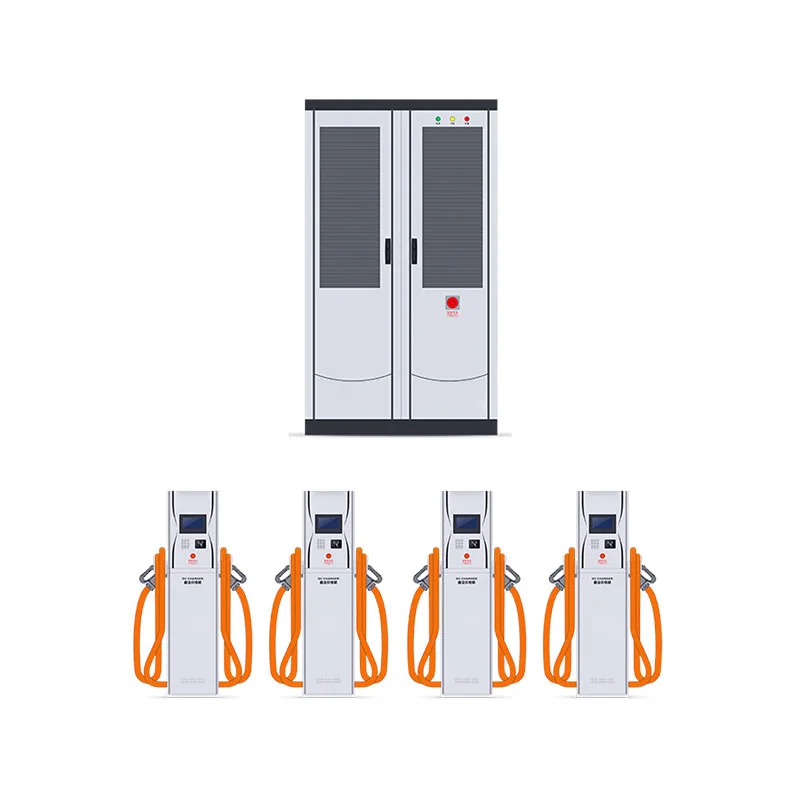
Shared-power DC charging
DC Flexible Charging Stack
240–360 kW
Fleet depots · Multi-bay charging hubs
Explore equipment ↗EXPLORE FURTHER