
EV charging equipment
Charging equipment.
Chosen for your site.
AC destination chargers, integrated DC cabinets and shared-power systems. Start with the vehicles, electrical capacity and the way your bays will operate.
Explore the range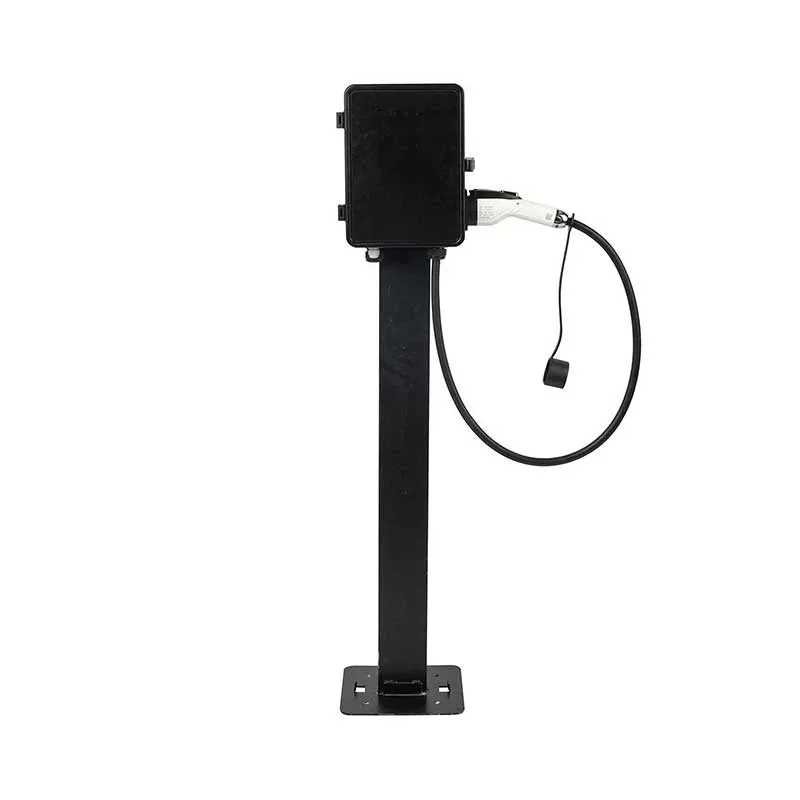
Four equipment formats
Find the right starting point.
Compare the architecture first. The exact electrical rating, connector and available functions are confirmed for the model proposed.
AC destination charging
AC Level 2 EV Charger
Regional AC variants
Workplace · Residential · Overnight fleets
Explore equipment ↗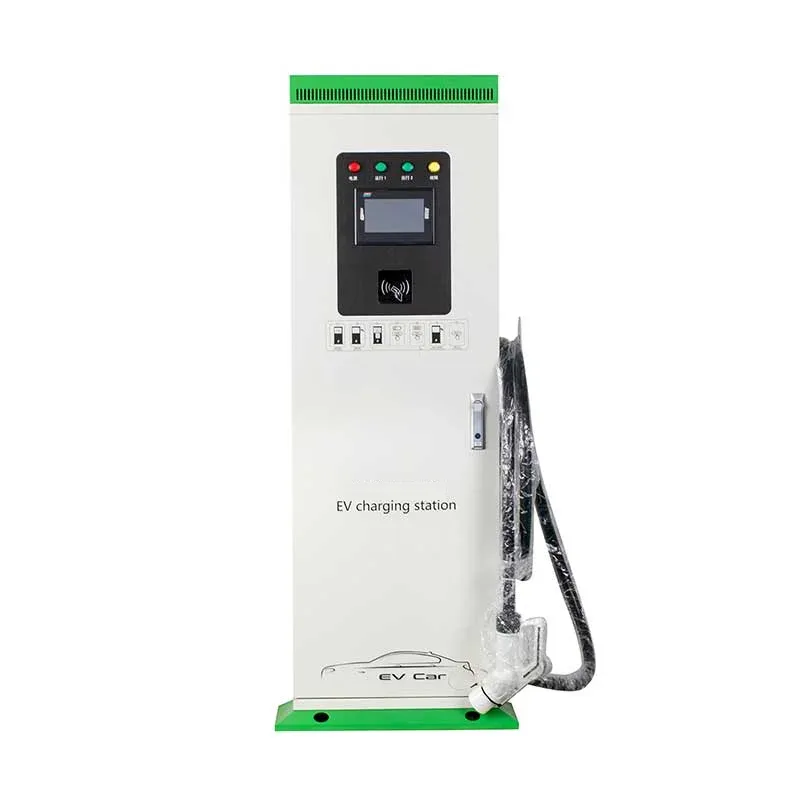
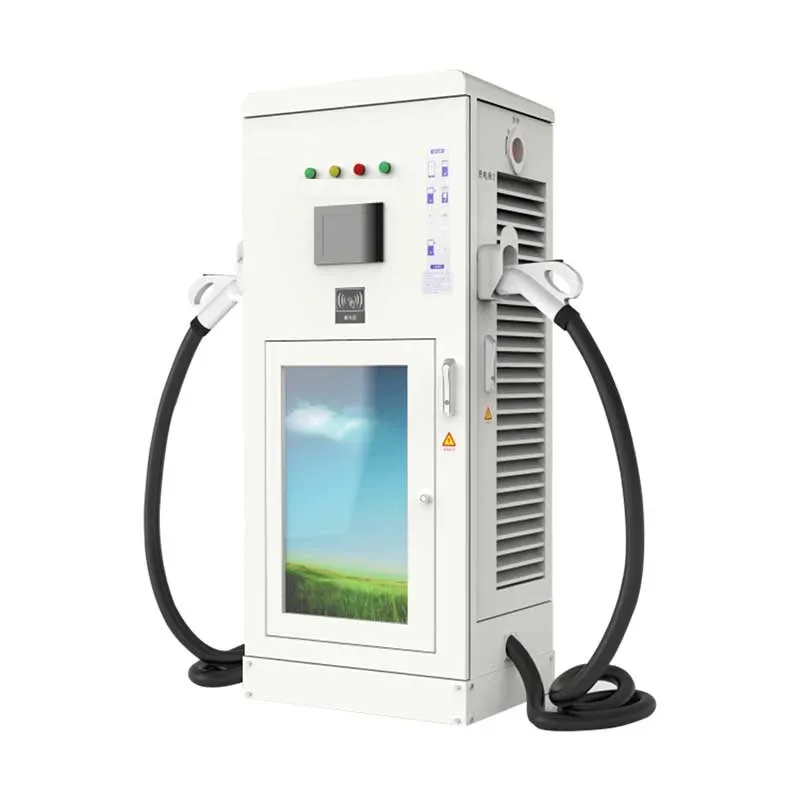
Compact DC fast charging
DC Fast Charger
30–80 kW
Retail · Dealerships · Fleet top-ups
Explore equipment ↗Higher-output DC charging
DC Fast Charger
120–180 kW
Busy commercial bays · Fleet hubs
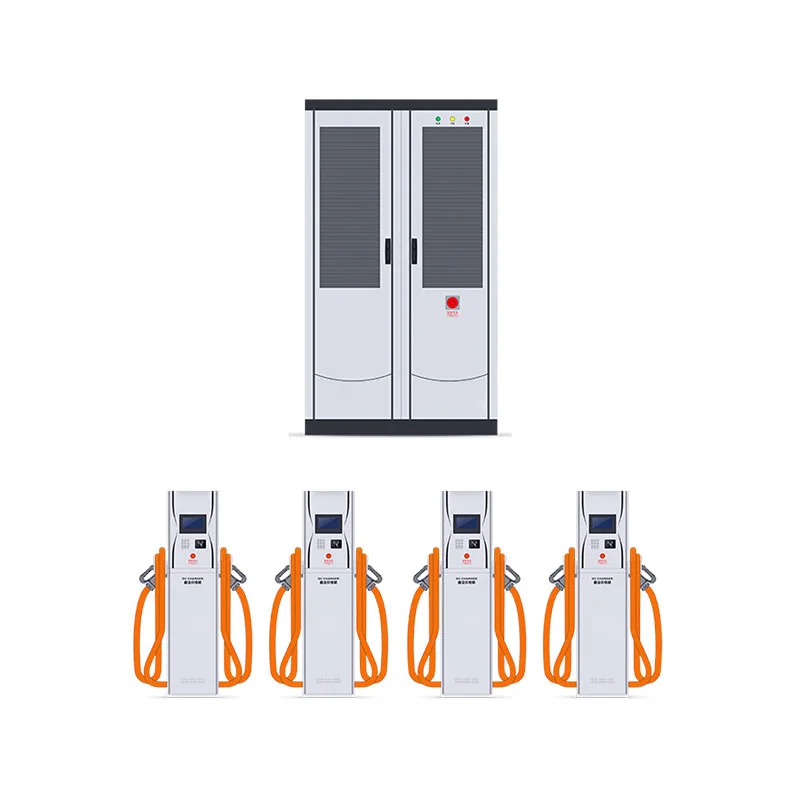
Explore equipment ↗Shared-power DC charging
DC Flexible Charging Stack
240–360 kW
Fleet depots · Multi-bay charging hubs
Explore equipment ↗Side-by-side selection
Compare the role. Then confirm the rating.
Output ranges describe the portfolio. Compatibility and delivered power depend on the selected model, vehicles and site design.
Swipe to compare all four equipment formats →
| Equipment | Output reference | Typical setting | Decision to resolve |
|---|---|---|---|
| AC destination charging | 7–22 kW regional variants | Workplace · Residential · Overnight fleets | Service voltage & vehicle inlet |
| Compact DC fast charging | 30–80 kW | Retail · Dealerships · Fleet top-ups | Service capacity & power allocation |
| Higher-output DC charging | 120–180 kW | Busy commercial bays · Fleet hubs | Vehicle acceptance & throughput |
| Shared-power DC charging | 240–360 kW | Fleet depots · Multi-bay charging hubs | Concurrency & dispenser layout |
AC Level 2 commonly uses 208/240 V service. Three-phase 11–22 kW regional variants are not interchangeable with a U.S. model. Confirm voltage, connector, applicable listing and the complete installation requirements before selecting equipment.
California supply & partner installation ↗From site brief to equipment scope
A better fit starts with the site.
We review the practical inputs with your purchasing and project teams, so the charger and its surrounding equipment can be coordinated.
Vehicles & parking
Bay count, vehicle inlet types, required energy, dwell time and simultaneous arrivals.
Electrical capacity
Service voltage, transformer headroom, existing loads, protection and the proposed cable routes.
Operation & delivery
Backend, metering, access control, destination, installation scope and target schedule.
Adding solar or storage? Review generation, battery buffering, transformer and distribution interfaces as one system.
Explore solar + storage charging ↗Quality & production evidence
Quality should be traceable.
Review the evidence for the proposed equipment, from assembly and routine testing to the documents supplied with the order.
Parameters that match
Confirm model identity, rated input/output, connector, enclosure, cable limits and protection against the current datasheet.
Factory & functional records
Agree which assembly, routine electrical, protection and functional test records are available for the selected model.
Documents that apply
Review applicable safety/listing evidence and backend compatibility for the exact hardware, firmware and destination.
A defined delivery package
Confirm serial identification, manuals, accessories, commissioning information, packing records and warranty terms.
Certification logos or a product photograph are not a substitute for model-specific documentation. Requested records and test scope are confirmed in the written quotation.
Practical answers
Before you specify.
Resolve the details that affect compatibility, operation and the final supply scope.
How do I choose between AC and DC charging?
Start with vehicle dwell time and required energy, then compare the available service and accepted charging power. A larger station rating does not guarantee a shorter visit for every vehicle.
Are all connector and electrical variants available in every market?
No. The proposed connector, electrical rating and compliance documents are confirmed for the exact model and destination. Product images may show a regional variant.
Can you coordinate more than the charger?
The equipment scope can include relevant distribution, transformer, metering, solar and storage interfaces. Confirm inclusions, responsibilities and delivery terms in the quotation.
What information helps you select equipment?
Send the site location, service details, bay count, vehicle mix, operating pattern and target schedule. Add any required backend, metering or documentation requirements.
EXPLORE FURTHER