
Ammonia Corrosion on Solar Equipment: Farm Sites
Why a salt spray result does not answer an agricultural site, what ammonia attacks first, and the coating, fastener and enclosure items to specify.
Technical buying guides for solar modules, inverters, batteries, mounting and electrical equipment — the specifications and documents to confirm before ordering.
Why a salt spray result does not answer an agricultural site, what ammonia attacks first, and the coating, fastener and enclosure items to specify.

Why a small shadow costs more than its area, how hot spots are actually found, and the distinction that decides whether a claim is a product claim at all.

Equipment grounding and bonding are two different jobs, why surge protection fails without the earth path beneath it, and what belongs in the specification.
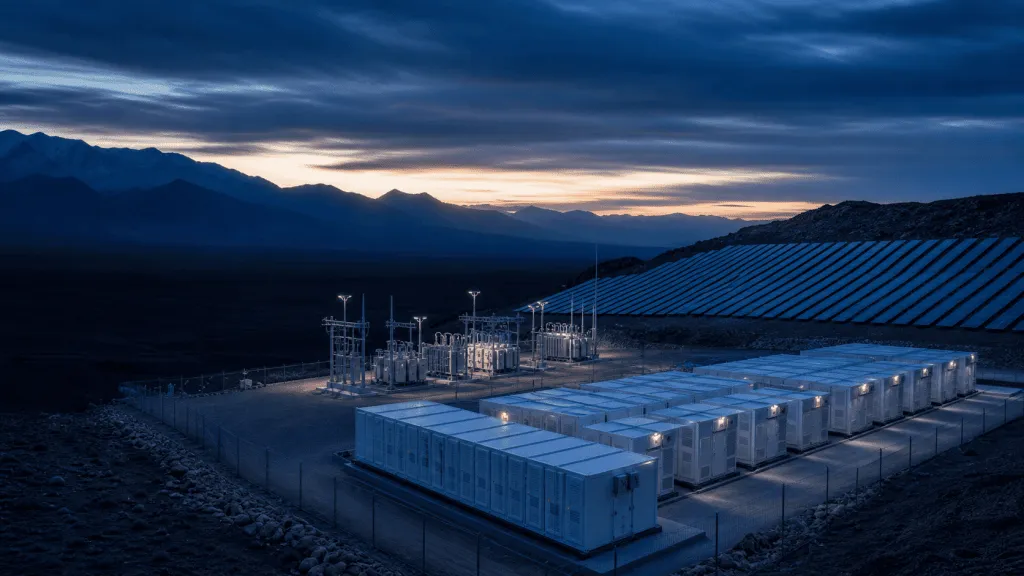
What PID is, why it shows up as a gradient along the string, how PID resistance is tested rather than claimed, and what belongs in the specification.
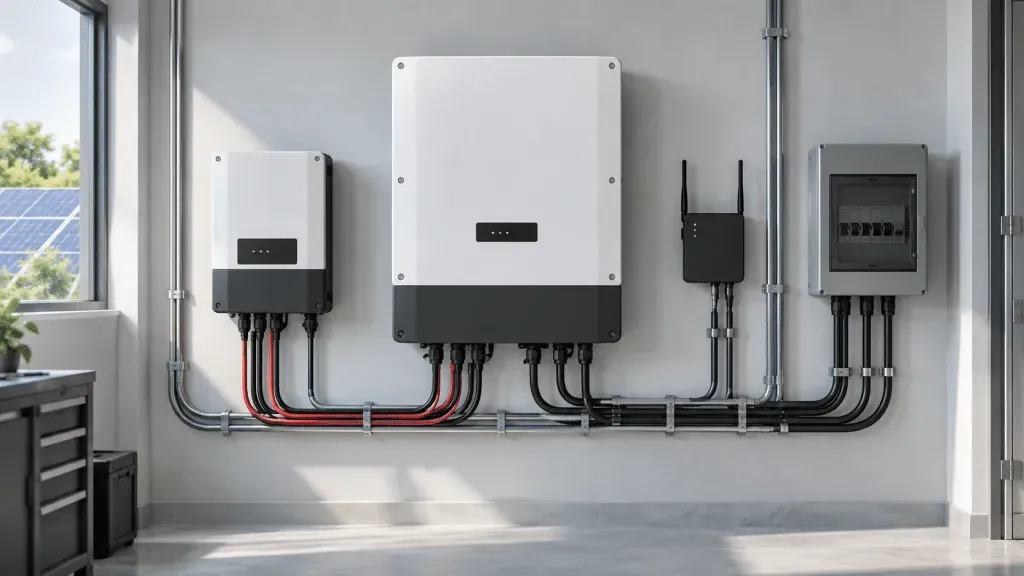
How to pick a DC/AC ratio for a solar plant: which range fits each site type, what moves it up or down, and how to check the number a supplier gives you.

What a salt spray test does and does not prove, where coated mounting structure actually fails, and how to specify coastal corrosion resistance in writing.

Rapid shutdown explained for solar installers and EPCs: the array boundary, module-level versus array-level control, and the four questions to settle first.
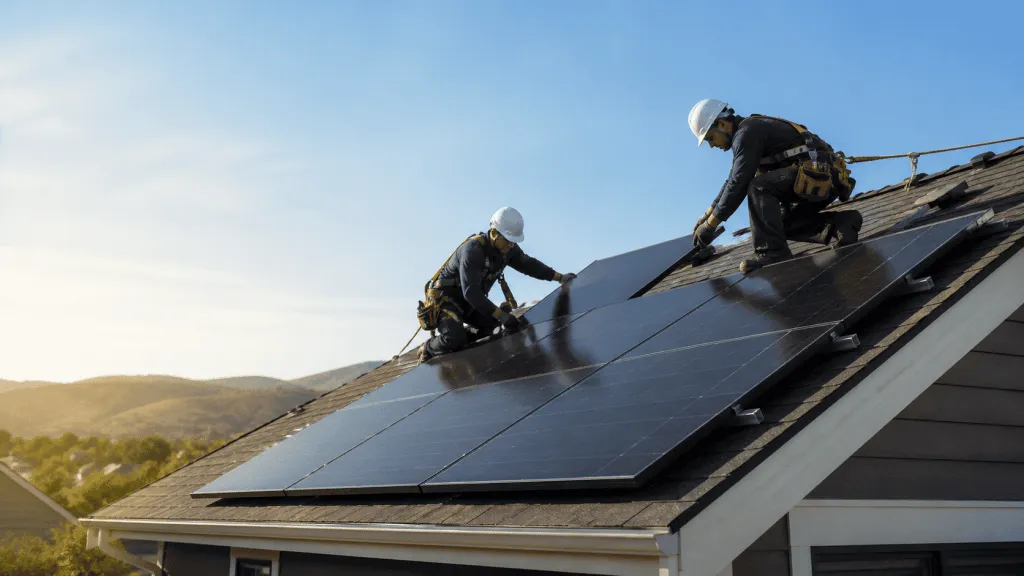
Procurement guide7 min readGTP Solar The number that governs your racking is almost never the regional wind speed. It is
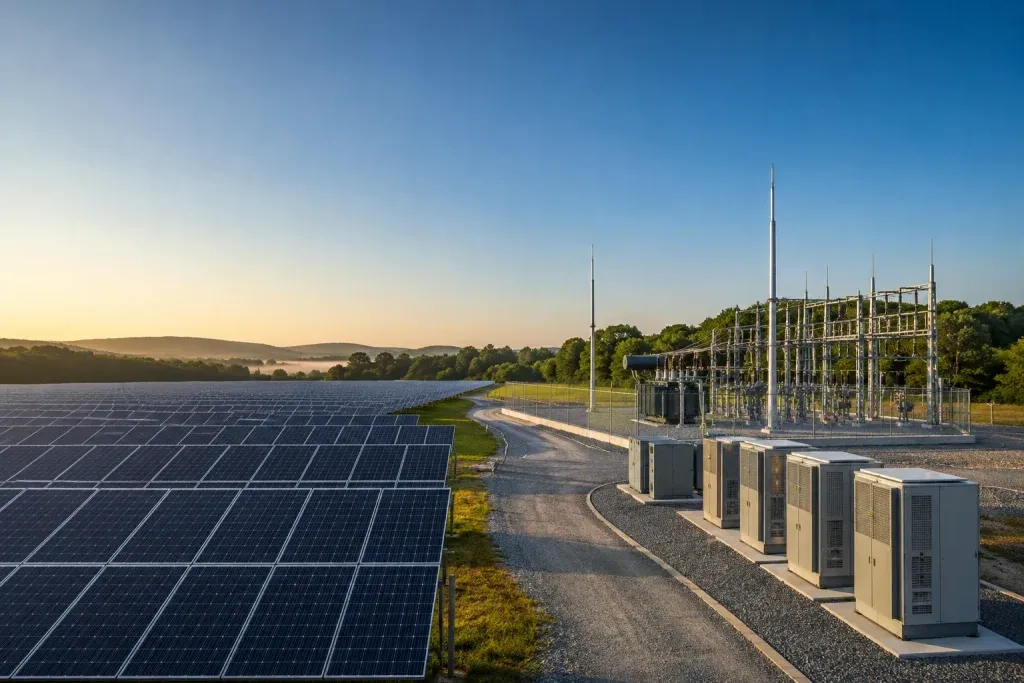
Procurement guide6 min readGTP Solar Operations and maintenance is usually specified after handover, which is the wrong end of the
Procurement guide6 min readGTP Solar Inverter sizing looks like a simple division – array kilowatts divided by something – and