System applications
Equipment matched to the way you build.
Residential rooftops, commercial facilities and solar-plus-storage projects have different equipment and interface requirements.
- Project-matched selectionEquipment, quantities and interfaces reviewed with your team
- U.S. warehouse inventoryDirect delivery to your specified U.S. location
- Documentation supportCertification documents for the selected equipment
Share your project location, quantities and target schedule — we confirm availability and a tailored quotation.
Solutions by application
Six ways to build with solar.
Start with the application, then align solar, conversion, storage and electrical equipment to the site conditions, delivery destination and project requirements.
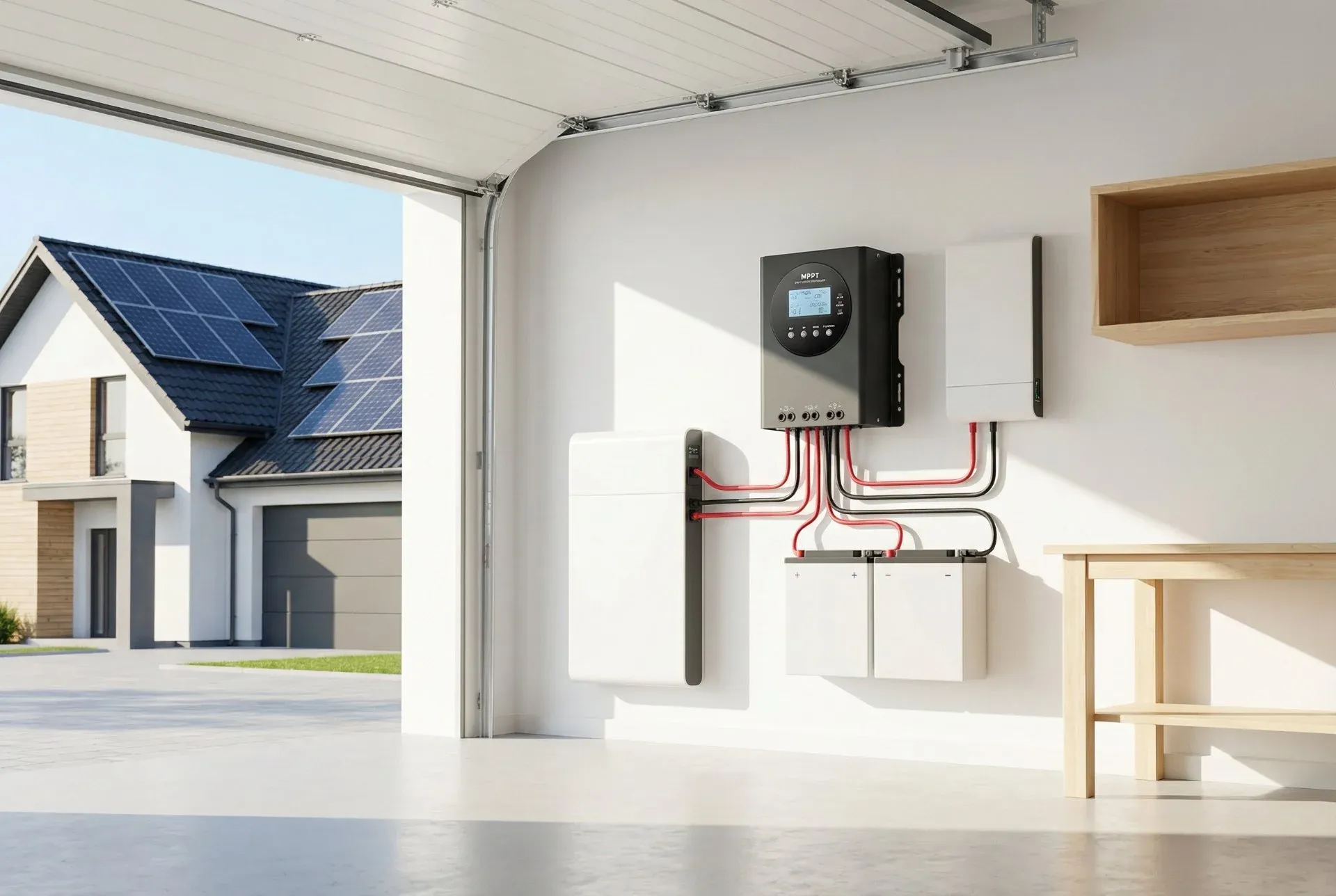
Residential Solar & Home Energy Storage
Modules, inverters, battery storage and mounting systems matched to the home, load profile and local installation requirements.
View solution →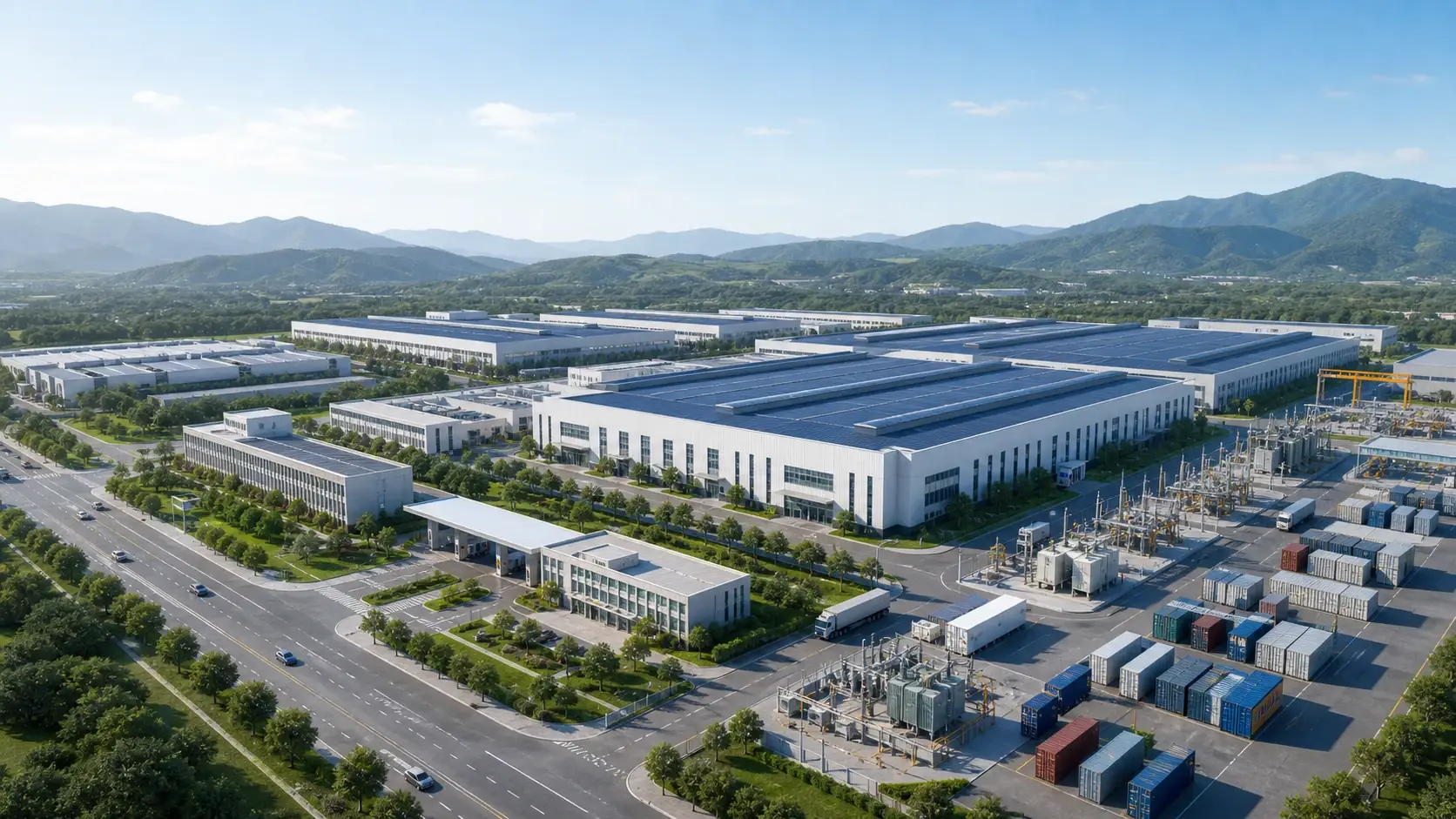
Commercial & Industrial Solar & Storage
Higher-power PV, storage and electrical equipment planned around commercial rooftops, facilities, loads and delivery requirements.
View solution →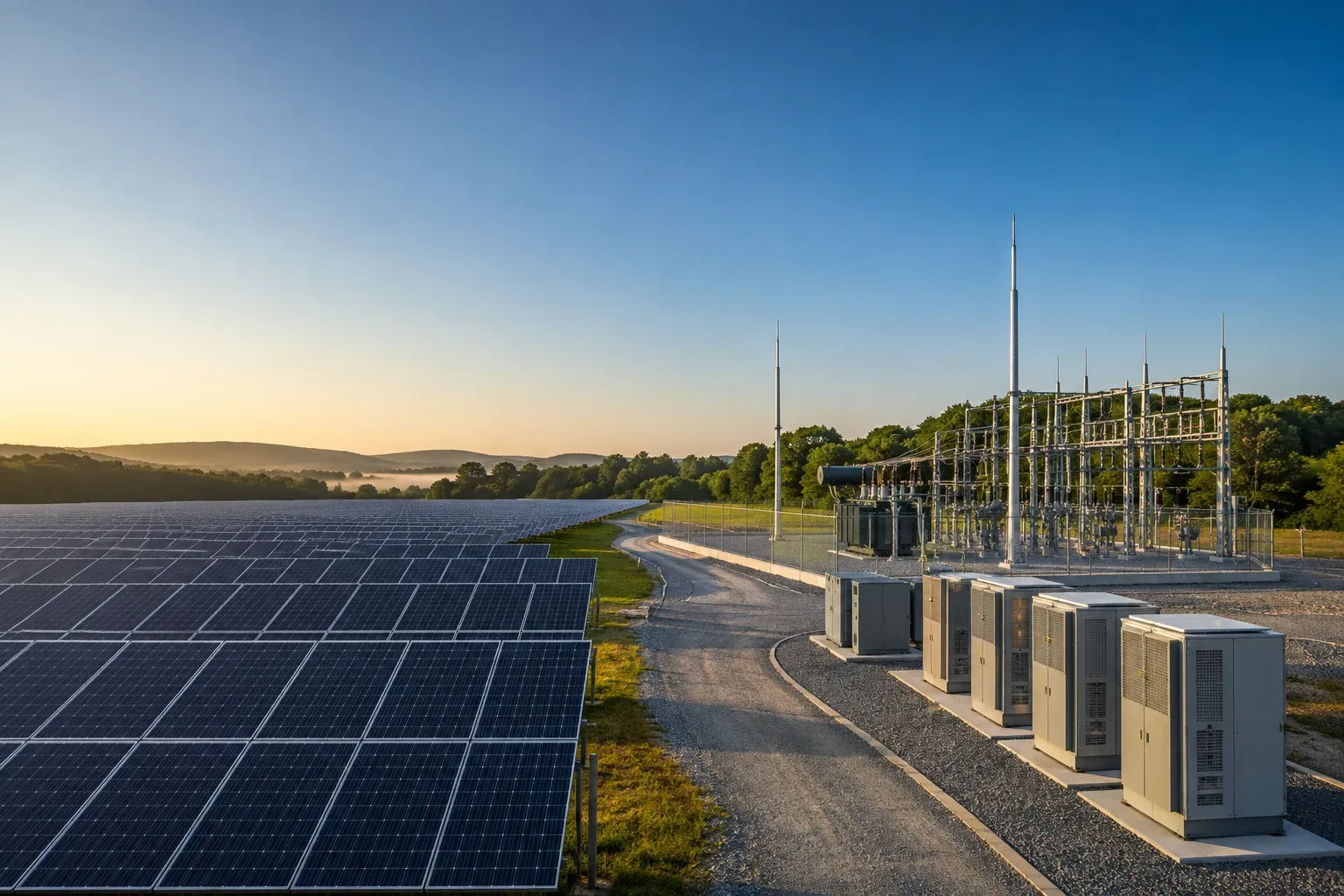
Utility-Scale Solar & Grid Infrastructure
PV, transformer, switchgear and storage packages coordinated for solar-farm and grid-connected infrastructure projects.
View solution →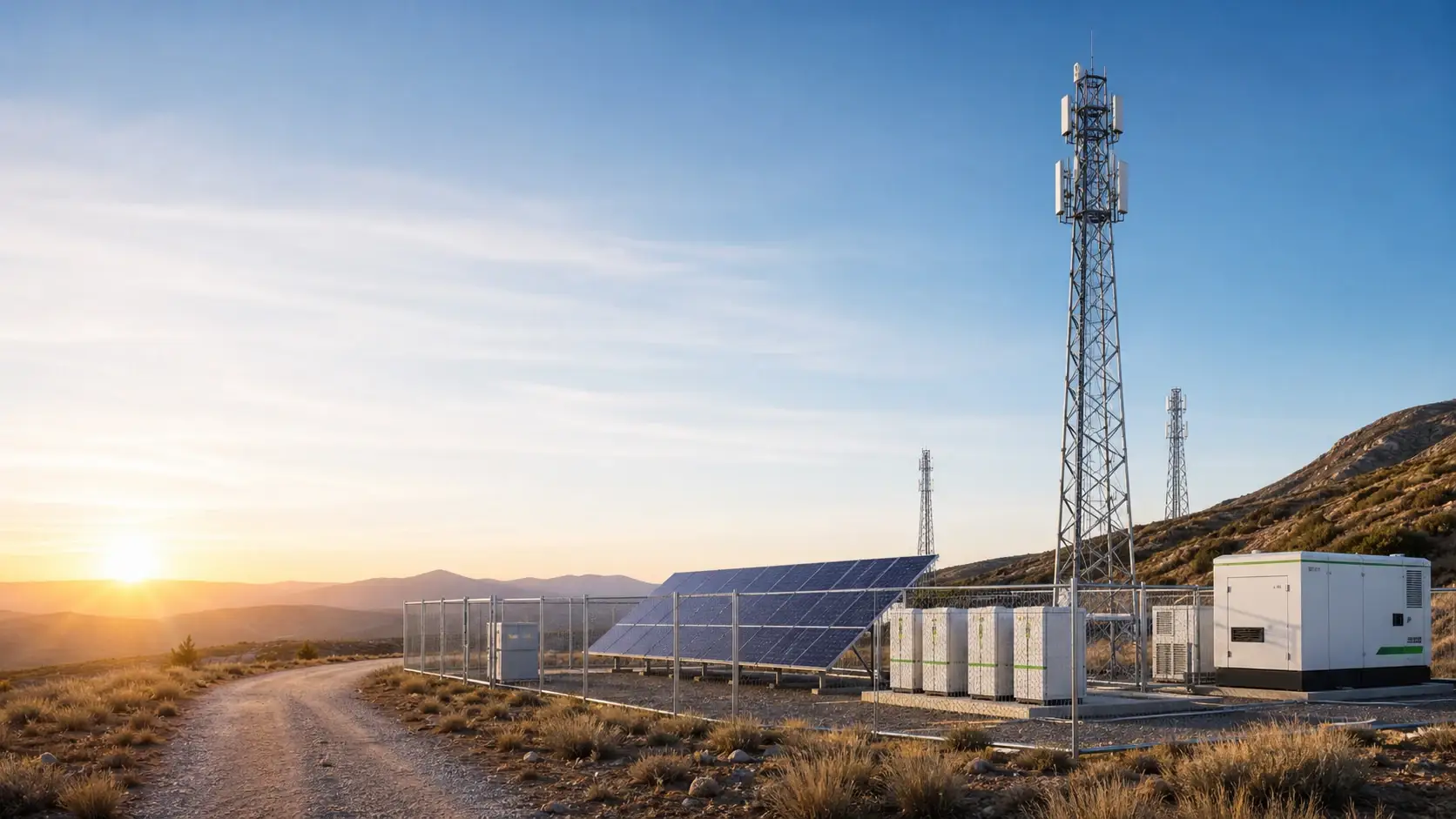
Off-Grid, Telecom & Remote Power
Autonomous solar, charge control and energy storage designed for remote assets, telecom sites and difficult-service locations.
View solution →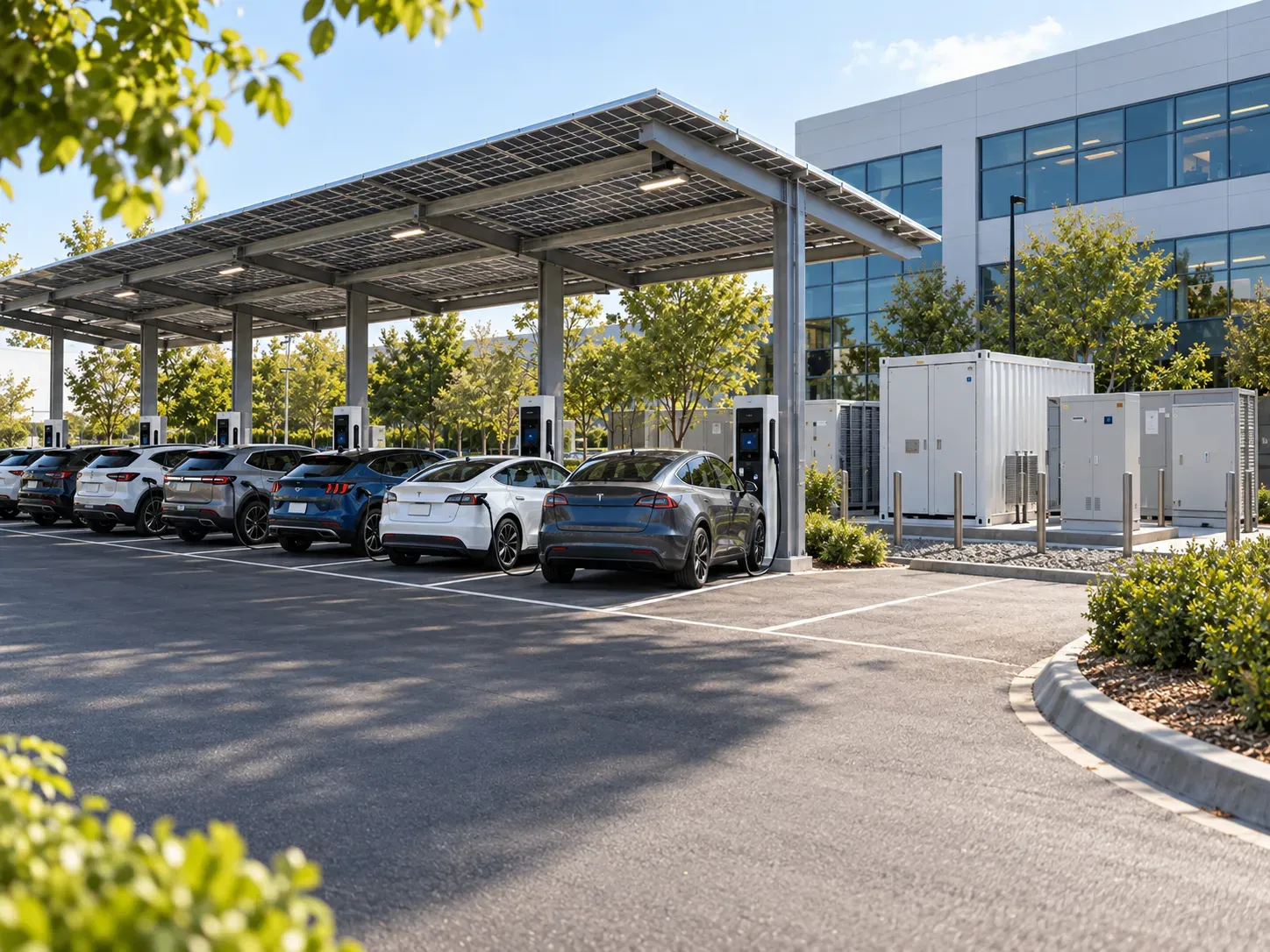
EV Charging & Energy Storage
Charging equipment, solar canopies, storage and distribution components aligned with site capacity and operating demand.
View solution →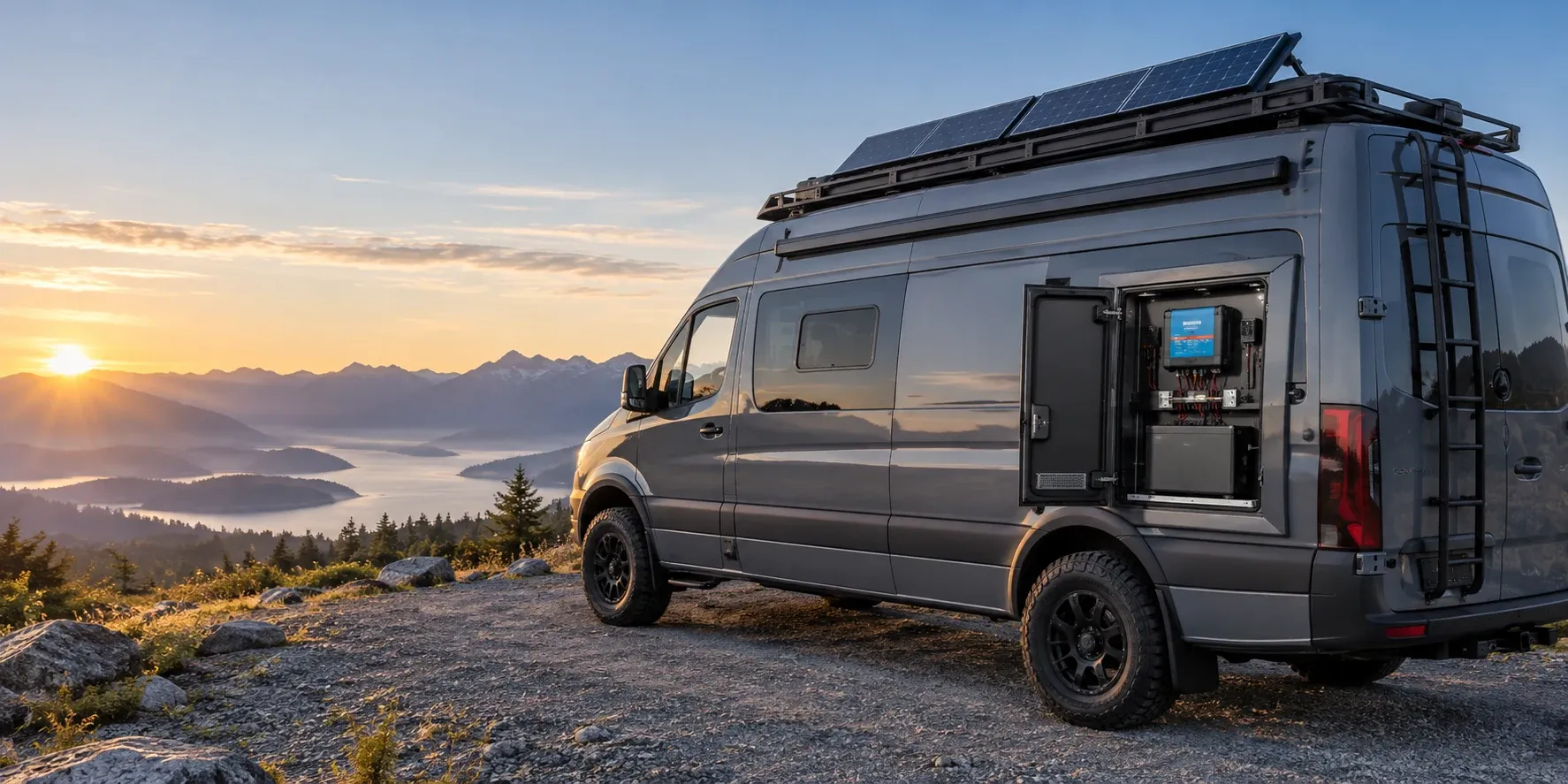
Mobile & Marine Auxiliary Power
Platform-specific solar, charge control and lithium auxiliary power for boats, RVs, work vehicles and mobile equipment.
View solution →How supply works
From requirements to delivery.
Share your requirements
Application, load profile, products and destination — a short brief is enough to start.
Get the equipment proposal
A confirmed equipment list with pricing, lead time and documentation for your review.
Receive and deploy
U.S. warehouse stock ships directly to your specified location, with B2B project support.
SELECTION GUIDE
Which application fits your project
Start with what the site has to do. The rows below are the usual starting point; the final configuration follows your site review and is confirmed in writing on the quotation.
Illustrative selection information. Confirm the final specification for your model, site and delivery scope.
View full configuration & sizing factors
| Application | Typical system size | Equipment usually in scope | What decides the design |
|---|---|---|---|
| Residential solar and home storage | 6 to 14 kW array, 10 to 30 kWh battery | Modules, hybrid inverter, LFP battery, roof mounting | Roof geometry, service panel rating, which circuits need backup |
| Commercial and industrial | 100 kW to multi-MW, 200 kWh to 2 MWh storage | High-power modules, string or central inverters, transformer, switchgear, storage | Structural reserve, interval load data, tariff and demand charges |
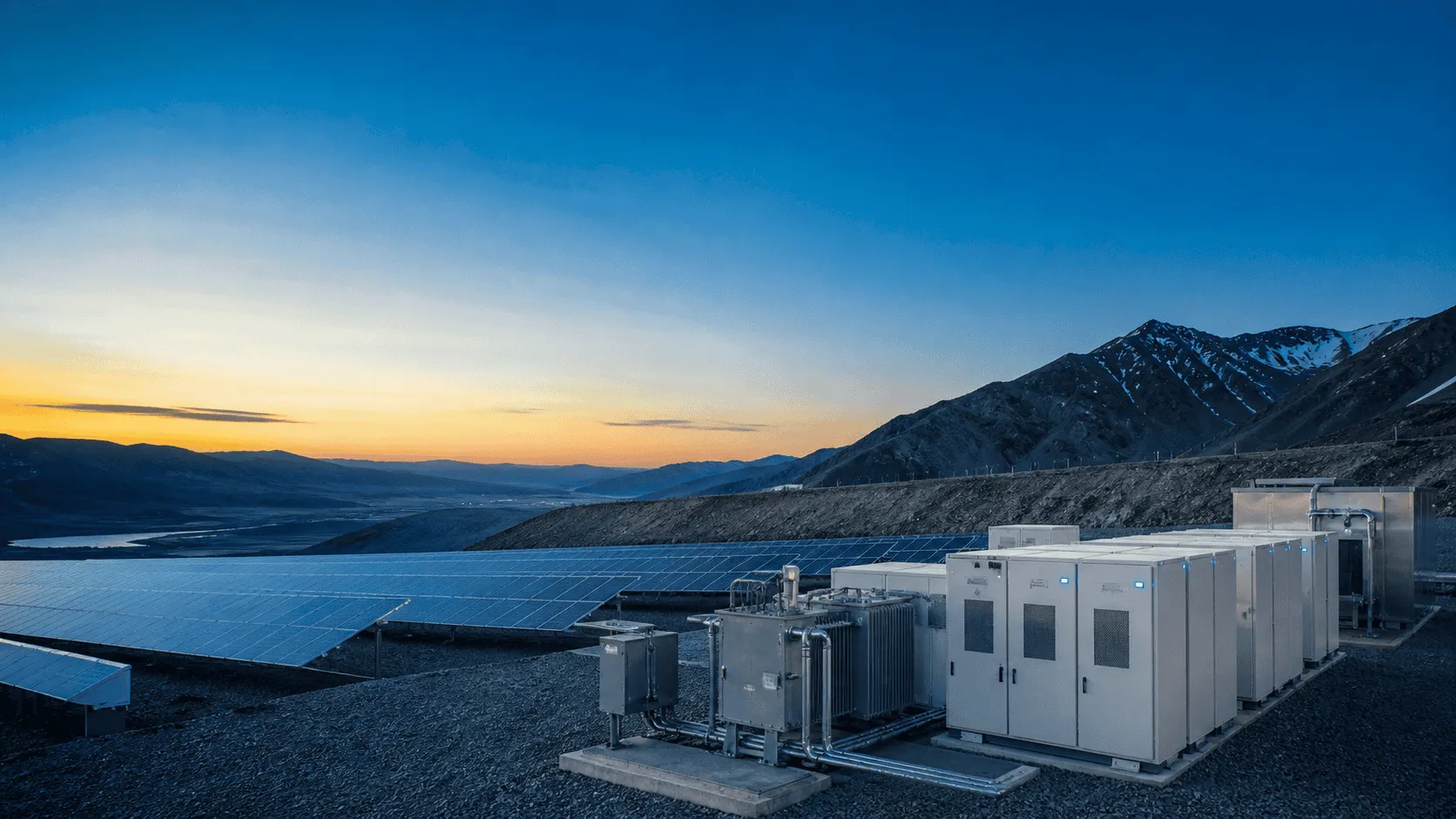
| Utility-scale and grid infrastructure | Multi-MW blocks, MV collection | Modules, central inverters, step-up transformer, MV switchgear | Interconnection point, fault level, grid code and land layout |
| Off-grid, telecom and remote | 1 to 50 kW autonomous, multi-day autonomy | Modules, MPPT controllers, LFP storage, sometimes generator interface | Worst-month solar resource, autonomy days, service access |
| EV charging with solar and storage | 50 kW to multi-MW charging capacity | Canopy or rooftop modules, storage, distribution, chargers | Site supply capacity, charging profile, whether storage covers peaks |
| Mobile and marine auxiliary power | 0.3 to 5 kW per platform | Flexible or rigid modules, MPPT or DC-DC controller, LFP auxiliary bank | Available area, motion and shade, salt exposure, alternator interface |
Indicative ranges for enquiry planning. Final values follow the site review and are confirmed in writing on your quote.
How teams usually narrow it down
- Start from the meter, not from the roof. The interconnection capacity and the tariff usually decide how much of the array you can actually use.
- If the load must run through the night or through an outage, storage moves from optional to design-driving, and it has to be in the first layout rather than added later.
- If the site is remote or the grid is weak, autonomy days and worst-month solar resource become the sizing input, not annual average production.
- If the project spans several buildings or several sites, standardising on one module and one inverter platform usually saves more than optimising each site separately.
Questions buyers ask
We have a site but no design yet. Is that a problem?
No. A site address, a recent utility bill and the list of loads is enough for us to return an equipment scope and an indicative layout. The design review then confirms the final quantities.
Can one project combine more than one application?
Yes, and it is common. A commercial rooftop with an EV charging canopy and shared storage is one equipment list. We size the shared parts once rather than quoting three separate systems.
Do you supply equipment only, or design support as well?
Both. Equipment supply is the order; the design support that comes with it covers equipment selection, quantities, layout review and the compliance documents for the selected models.
What is the fastest way to a quotation?
Send the destination, the application, the quantities or target capacity and your schedule. Stocked specifications can then be confirmed against U.S. warehouse inventory immediately.
Not sure which application your project belongs to? Send the site address, the loads and what has to keep running, and we will tell you which route fits before you commit to equipment.
EXPLORE FURTHER